
“We’re still the same inside but our choices and preferences can change – some people want to go clubbing in the afternoon!”
Thinking about brains is changing and we know so much more about brains, how they work and how we can look after them. This is affecting how we think about living well with dementia and how to reduce the risks of developing dementia. We wanted our Gathering to support conversations across East Lothian about Brain Health.
We came together at the Fisherrow Centre in Musselburgh in November 2024 to talk about brains. There was a rich mix of ages and experience for our conversations, including people with lived experience of dementia as carers and as people with dementia or cognitive impairment from the Musselburgh Meeting Centre and Alzheimer Scotland Dementia Cafes; people from the community and organisations like the Musselburgh Area Partnership and Health and Wellbeing Group, Musselburgh Library, Musselburgh Grammar School, East Lothian Council Countryside Rangers, East Lothian Day Centres and our funders, East Lothian Health and Social Care Partnership.
We talked about 3 main questions over the day. What keeps our brains healthy? What keeps us connected to people and places? And what helps us keep doing the things that make life good?
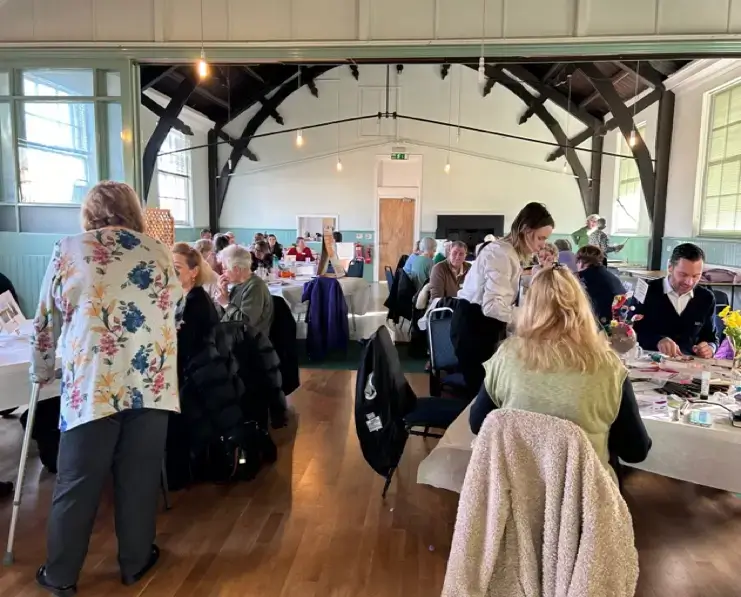
Thinking about thinking
Professor Alan Gow from Heriot-Watt University opened the Gathering and started us thinking about thinking.
Alan explained how our brains and thinking change over our lifespan. Ageing is often seen as about bodies and brains getting worse. But it’s a bit more complicated – thankfully!
We all have many types of thinking, from problem solving skills like solving a new puzzle, to memory, language and reaction times. We also gain knowledge and experience over the years that helps us anticipate problems and make decisions.
Our thinking skills change as we age. Some slow down, for example speed and reaction times; others improve or stay stable – for example being able to spot or anticipate a problem.
We used to think that ageing meant things always got worse, but now we know that it’s never too late to improve our health and well-being. We can look after our hearing and eyesight, manage conditions like high blood pressure and diabetes, stay physically and mentally active – learning and maintaining meaningful social connections.
So what can we do to help keep us sharp?
Looking after our brains doesn’t have to mean completely reorganising our lives or adding another enormous list of things we ought to be doing and feeling guilty when we don’t!
Alan told us about “Marginal Gain”: small changes that, taken together, can make a bigger difference.
Day to day that small change might be learning something new, walking the dog, gardening, cooking, painting, dancing or spending time with people with a shared interest. Whatever floats your boat. Small changes work best when they mean something to us personally and make our lives better.
Inspired by Alan’s presentation and Happy Brains, we got together in small groups to share ideas and experience.
The Happy Brain Playground
After coffee and a chance to chat, we each joined a Happy Brain Playground to chat about what makes our brains happy and healthy.
We had different themes – colour and creativity, gardens and gardening, music and dancing, play and playing, food and eating and friendship and community. We had a mix of different people, including from several generations from teens upwards.
“Play is essential for all ages – all backgrounds – all people to connect, inspire, learn + relate. It nourishes us top to toe.”
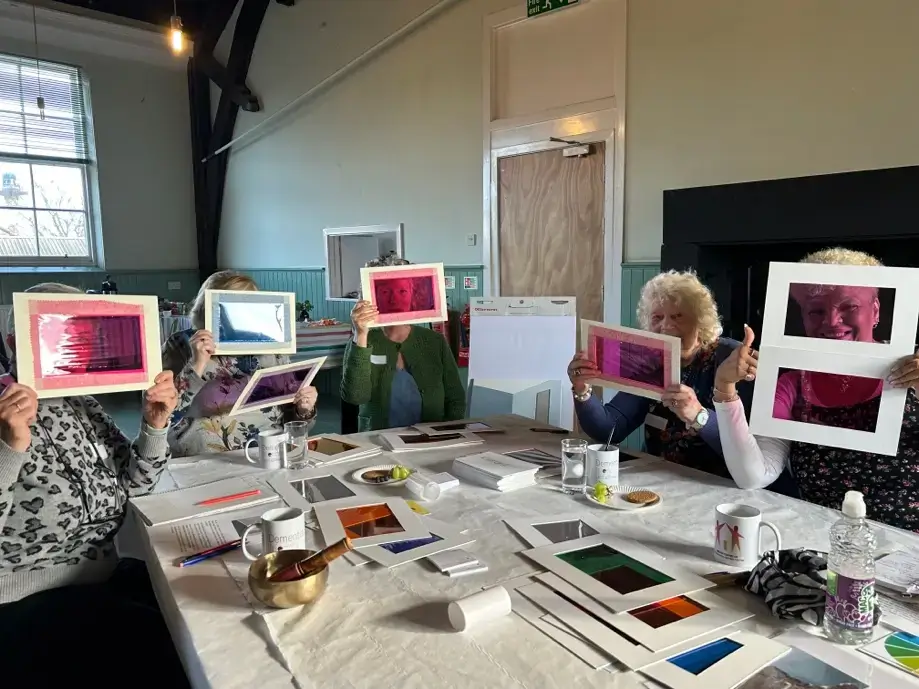
Alison Connell invited us to play with colour, using coloured lenses of different shades and using combinations. We spoke about colours, what they mean to us, what we like and the importance of playing, being curious and being prepared to surprise ourselves.
“I’ve just discovered that green’s not my favourite colour!”
At Kate Allan’s table, the starting point was simply: What does “garden” mean to you?
Gardens meant many things to us – nature, sanctuary, learning and relationships. People talked about gardens as a place to grow food, practice the skills we already have, learn new ones and create and being outside in nature together. There were lots of garden memories – working in harvests as children, getting time off school to pick tatties and gardening with Gran. Meeting Centre Members talked about their gardening work at St Andrews High Church and the importance of getting outside into nature.
Victoria Bianchi from Queen Margaret University hosted a conversation about music, creativity and dancing and invited the group to help her design a community event full of dance and dancing. People remembered tunes they danced to as teenagers, the outfits they made and wore to the dancing, and imagined what a community dance event might look like, perhaps even something intergenerational involving pupils from Musselburgh Grammar School. The table quickly filled with the names of songs, memories and ideas for dancing together.
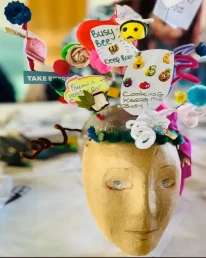
Jennifer McKay from the Meeting Centre team brought people together to talk about what a Happy Healthy Brain means to them and create one together. People chose a wonderful assortment of materials and cards to write down ideas and the things that brought them joy, meaning and connection. Over the day the table created a vibrant Happy Healthy Brain full of colour, texture and ideas.
What brought people of all ages joy was – People. Friends and family. Cooking. Gardening. Walking the dog. Drawing. Playing. Resting. Sleeping!
Their ideas included joy, being active, creating, learning, experimenting, problem solving, being curious, social connections and emotional support. Their conclusion was that brain health really doesn’t have to be complicated. Many of the things that make our brains happy are simply the things that make life good.
“Play is essential for all ages – all backgrounds – all people to connect, inspire, learn + relate. It nourishes us top to toe.”
Fiona Barrett, then Manager of the Meeting Centre, brought people together to talk about relationships and connections with people and places.
Folk shared the joy of spending time with old friends and making new ones and spoke openly about the things that make connecting harder: knowing what’s available, confidence, cost, transport and sometimes finding the motivation to take that first step.
Supporting brain health isn’t simply about telling people the things that are good for them. It’s also about creating the opportunities, places and connections that enable people to do those things together.
Musselburgh Grammar School had the opportunity to have their own table. They wanted to do it differently and told us:
“We want to be with the friends we’ve made at the Meeting Centre!”
That speaks volumes about friendship across generations and the importance of the connections we make and the Meeting Centre approach where people are encouraged to be active their communities, connected to all ages.
“Intergenerational connections thrive on play”
April Govan, lead facilitator at the Musselburgh Meeting Centre, harvested ideas on food and eating. Conversation turned to favourite meals, what we do to eat healthily and the Mediterranean diet. People shared their stories about food, including the tatties grown by Meeting Centre members that they turned into potato soup and salad.
“The tatties we grew and ate at the Meeting Centre were great.”
The Meeting Centre tatties might be small, but they were mighty! Growing Tatties ticked the boxes – planted, nurtured and eaten together, getting outdoors, being physically active, using skills and learning new ones. And lots of laughter and shared memories. Another example of lots of small things adding up.
What we learnt
We all came together to share our thoughts and reflections. Our conversations were different but shared similar themes about what helps our brains stay happy:
- Being connected to other people – friends, family and feeling part of the community
- Doing things that are meaningful to me
- Being active and keeping moving
- Learning and trying new things
- Being creativ
- Playing, having fun and staying curious
- Having purpose and meaning in life
- Having choices and options
- Having something to look forward to
Our conversations in words
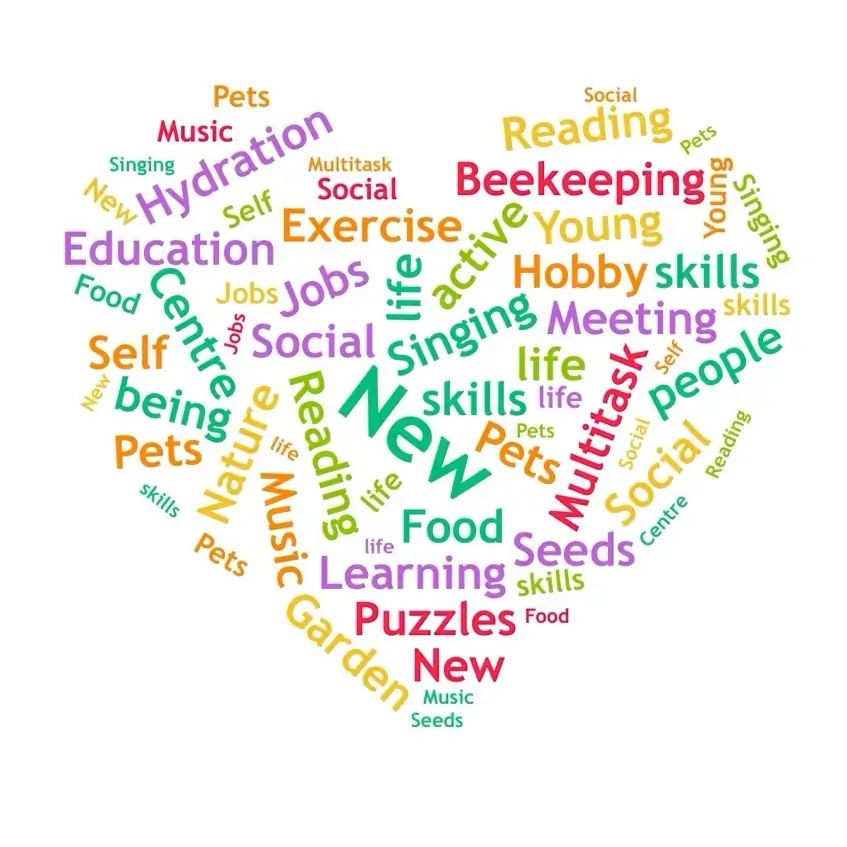
This word cloud was created from the transcript of the day. It captures some of the words and ideas that ran through our conversatoins about what keeps our brains happy, healthy and connected.
At the end of the Gathering, Professor Gow reflected that we hadn’t just spent the morning talking about looking after our brains. We’d actually been doing it: making positive and meaningful social connections, trying activities and ideas, learning more about our community and having fun. Great food for brains!
Brain health isn’t only about what happens inside our heads. It’s also about having opportunities to keep learning, connecting, contributing, being curious and enjoying life together.
This thinking is also built into the Meeting Centre approach: people coming together, building relationships, being active, with opportunities to learn and try things, doing things that matter to us personally and being part of community life. The Meeting Centre approach was developed to support people living with dementia and care partners, but many of the things that help us adjust and live well are good for all of us. That’s why we have been exploring how to apply the Meeting Centre approach in wider community settings.
What happened next...
One of the best outcomes from the day was that the conversations didn’t end when the Gathering did. Ideas travelled, people connected and some of those conversations turned into action.
The Brain Health Pop-In – We invited everyone interested in continuing the conversation about brain health to join us on Wednesday mornings at The Hollies Community Hub in Musselburgh, where we continued talking about brain health, making connections and finding out what was happening locally.
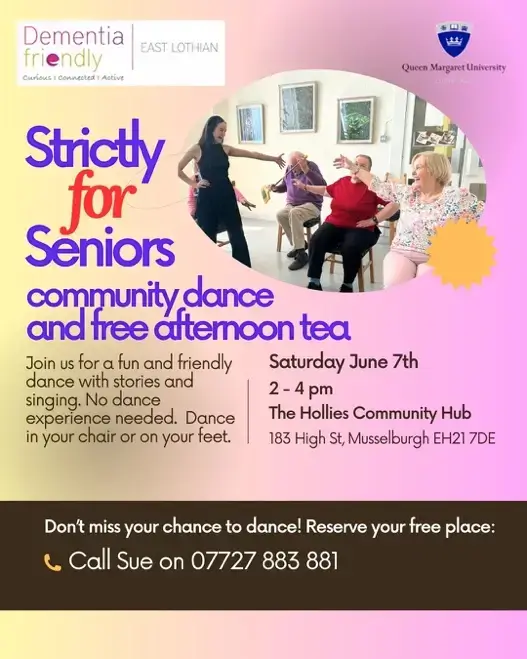
The weekly sessions became a catalyst for more connections and collaboration. Victoria and her team connected with The Hollies group to co-design and deliver Strictly Seniors, culminating in a joyous community event at The Hollies in June. They were also the catalyst for connecting with local artists and Seated Exercise ‘taster sessions’ for people who were new to exercise or needed a gentle reintroduction.
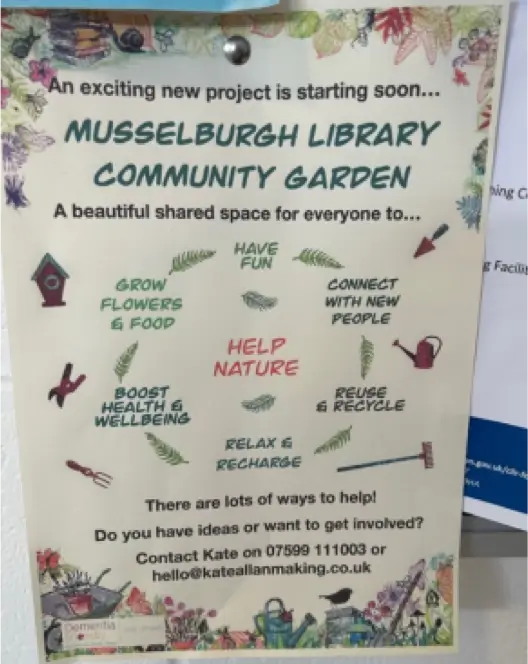
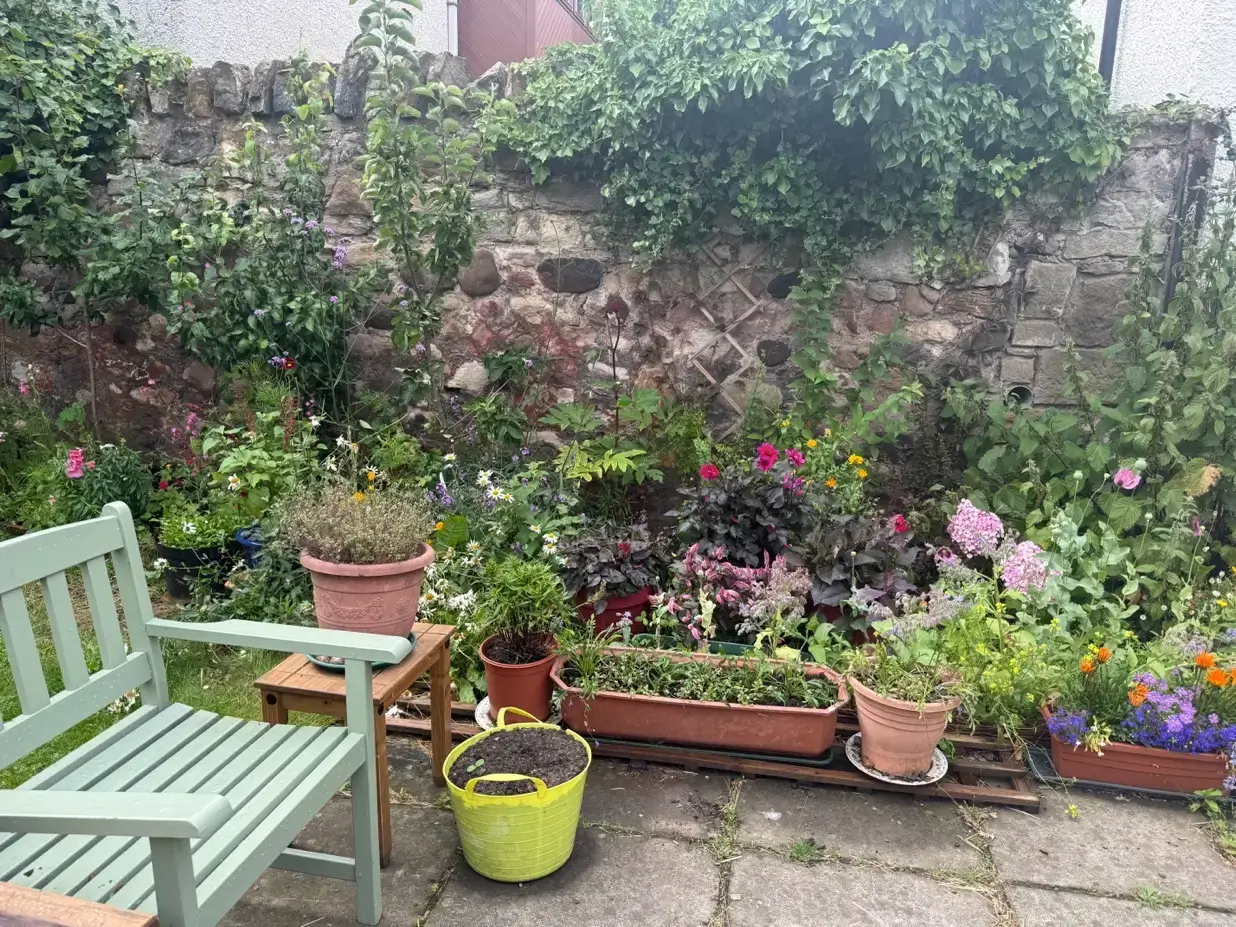
The Musselburgh Library Garden – Kate Allan, Community Gardener, and Wilma Porteous from Musselburgh Library went on to develop the Musselburgh Library Garden. Community groups have supported and visited the garden, including Musselburgh Meeting Centre and Musselburgh Grammar School.
Jennifer McKay developed and ran Colourful Connections a community arts project run in partnership with Douglas Hamilton, Minister for Traprain Parish. It was linked to DFEL development work in East Linton which explored how the Meeting Centre approach could work in a wider community setting, bringing together creativity, cognitive stimulation, social connection and brain health.
Taking the conversation forward – We continued the Brain Health conversation in Haddington and other East Lothian communities. The theme arose from what people living with dementia and communities told us was important to them and DFEL is following that lead into the next stage of our work.
In conclusion
Nourishing Our Neurones showed us that the answer to brain health lies in everyday life and community life, supported in the places where we meet, make friends, learn, create, move, contribute, play and have fun.
Coming together makes things happen. Conversations make connections, and connections turn ideas into action – like the Musselburgh Library Community Garden, Strictly for Seniors and Colourful Connections. In the Gathering and these projects we see the value of connections and friendship across generations and how much we have in common.
Conversations make connections, and connections turn ideas into action.
Nourishing Our Neurones brought us all together to talk about Brain Health and these conversations continue as we explore how we work together to turn ideas into actions that change lives. The Gathering and the conversations and projects that grew from it demonstrate what we can do to improve Brain Health and the power of communities to create the conditions in which all of us can learn, connect and live well.
Related Posts
Welcome to the Musselburgh Meeting Centre Workshop!
Members of the Musselburgh Meeting Centre invited a range of people from across the community to find out more about the Meeting Centre and experience what it’s like to come to the Centre and to…
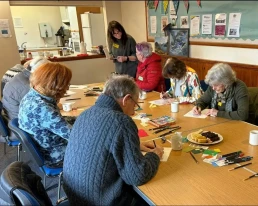
Colourful Connections in East Linton: Exploring the Meeting Centre Approach in the Community
For four Tuesday mornings, 14 people from across the East Linton area got together to build Colourful Connections, a dementia-inclusive space in the community for a new creative arts project focused…
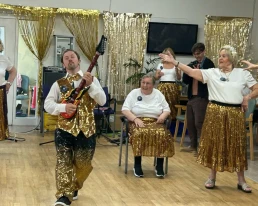
Strictly for Seniors: When a Community Starts Dancing
What happens when local people come together to share stories, music, memories and movement? Strictly Seniors has grown into much more than a dance project. It's a celebration of community,…